Cooking world food at home used to be impossible. You could not find ingredients anywhere, the techniques were complete mysteries, and the only way to learn was by traveling to other countries. That has changed completely.
Now you can order anything online. YouTube shows every technique. Food blogs explain everything in detail, from the history to the exact steps to regional variations. The hard part is not finding information anymore. It is knowing where to start, how to respect the food’s origins, and how to keep everything practical for a regular home kitchen without special equipment.
Why Understanding Patterns Matters More Than Following Recipes
What separates good global cooking from bad attempts is pattern recognition. Not following recipes blindly. When you understand the patterns behind cuisines, the core principles that make them work, you can adapt intelligently when ingredients are not available. You can fix problems. You can make dishes that taste right even when you change things significantly from the original recipe.
Italian food follows a clear pattern. Use great ingredients. Prepare them simply. Let natural flavors shine through without covering them with heavy sauces or too many competing elements. Once you know this, everything makes sense. You understand why Italian dishes fail completely with bad tomatoes but succeed beautifully with good tomatoes, even when your technique is far from perfect.
Thai food balances four things constantly. Sweet, sour, salty, spicy. Know this pattern, and you can taste and adjust any Thai dish to get it right instead of blindly following measurements that might be completely wrong for your specific ingredients.
To see patterns working elsewhere, look at casino games. Developers cannot just translate games for different countries and expect success. Asian players prefer certain lucky numbers, respond to red and gold color schemes that signify prosperity, and connect with cultural symbols like dragons and phoenixes.
European players, especially those who play the casinos featured on https://polskie-kasyno-online.pl/, want a completely different experience. Different bonus structures. Different game speeds. Different volatility levels. Success means recognizing these deep cultural patterns, then adapting games to match what actually resonates, not assuming everyone likes the same things.
Cooking works exactly the same way. Each cuisine has core patterns that define it. Flavor combinations that always appear. Techniques used repeatedly across different dishes. Ingredient relationships that create the cuisine’s character.
Learn these patterns, and you become flexible. You can substitute intelligently when you cannot find exact ingredients. Adjust for what you have. Fix dishes when they taste wrong because you understand the underlying principles that make them work. Not just the instructions.
Core Techniques That Work Everywhere
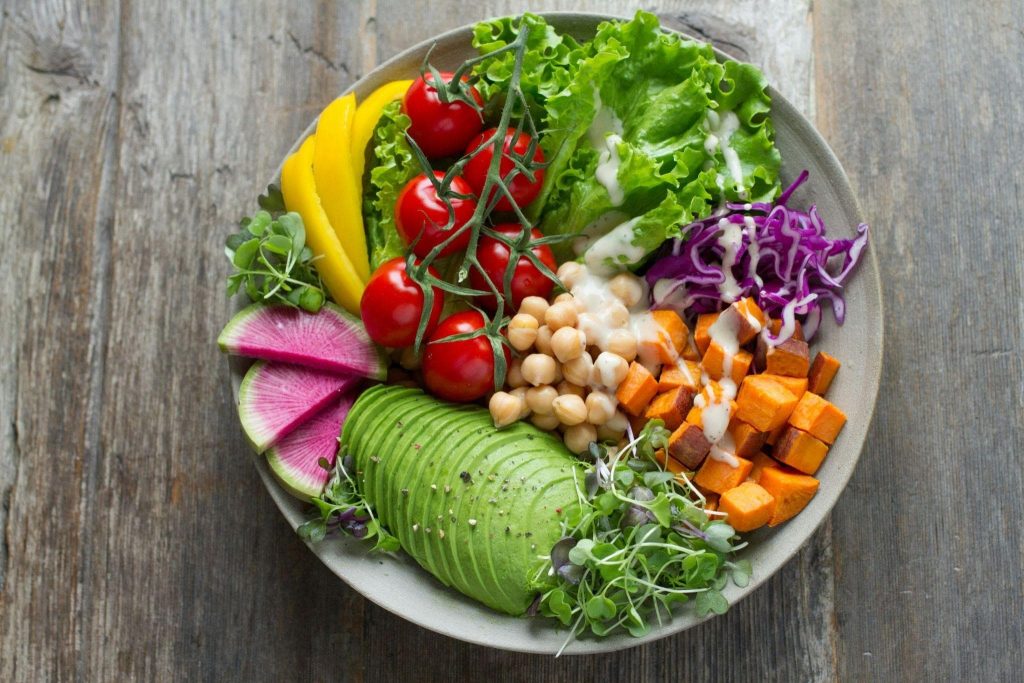
Some cooking techniques appear globally with different ingredients and seasonings, but the same basic method. Master these transferable techniques, and new cuisines become much easier. You are applying what you know. Not learning from zero every time you try something new.
Stir-frying exists across Asia. Chinese. Thai. Indonesian. The technique stays identical regardless of country–high heat, quick cooking, constant movement to prevent burning. What changes is what goes in the wok. How you season it. What sauce finishes the dish? Master the technique once, understanding how to manage heat and timing, then apply it everywhere with different flavor profiles.
Slow braising is truly global. French coq au vin, Moroccan tagines, Chinese red-cooked pork, Mexican carnitas, and Indian curries all use the same fundamental technique. Cook protein slowly in liquid until tender. Cultural differences come from the liquid choice, the aromatics that build flavor, and the spices that define regional character. But the core process never changes. Low heat. Long time. Liquid environment. Patience.
Pickling appears everywhere, too. Korean kimchi. German sauerkraut. Japanese pickles. Middle Eastern torshi. Indian achaar. Latin American escabeche. Learn basic fermentation principles, and you can make them all, just changing the vegetables and seasonings for each culture while the underlying process remains consistent.
Recognizing these similarities helps enormously. You are not starting fresh with each cuisine, feeling lost and overwhelmed. You are using skills you already have. Just applying them differently. With different flavors. Different cultural approaches. But the same fundamental techniques you have already mastered.